
Guides
What Is an Iron-On Patch?
September 21, 2026
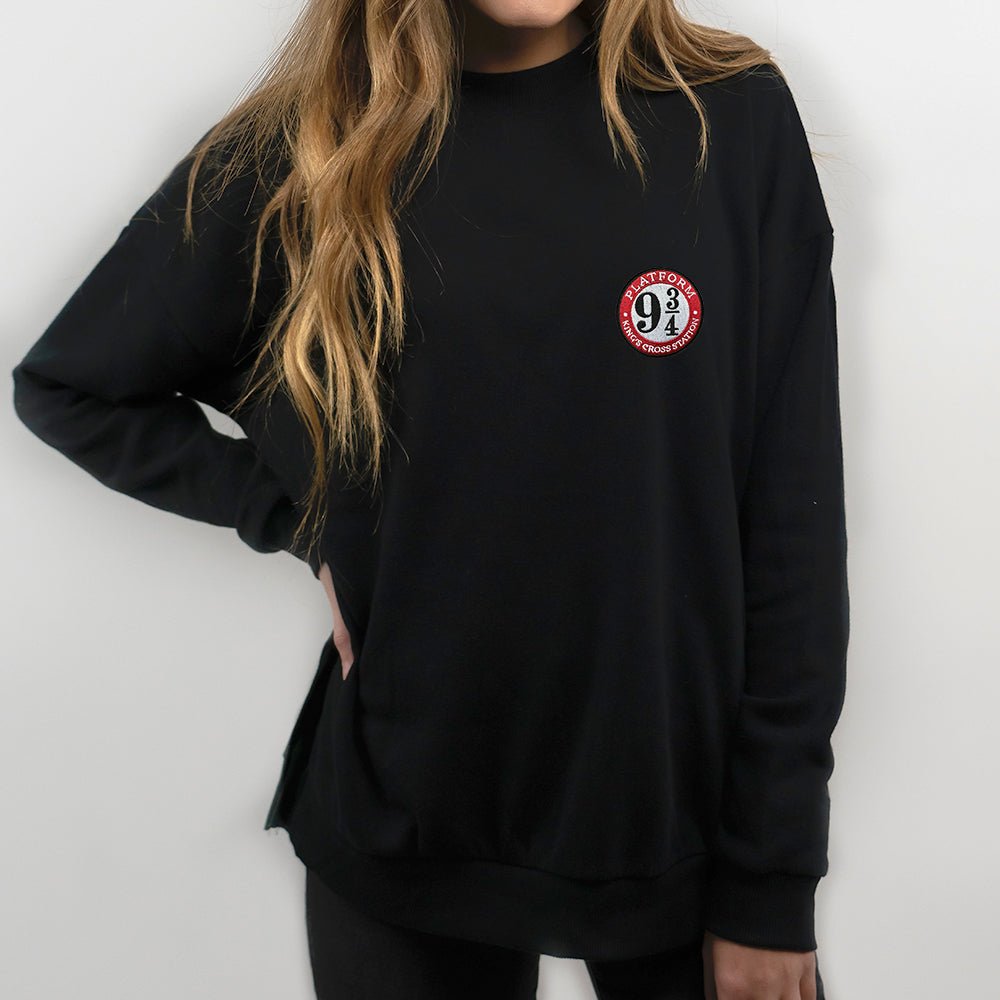
An iron-on patch is an embroidered badge with a layer of heat-activated adhesive on the back. You press it with an iron, the glue melts into the weave of the fabric, and when it cools it sets. No needle, no thread, about thirty seconds of actual work.
What the back is actually made of
Turn a patch over and the back looks faintly shiny, sometimes a little cloudy. That film is a thermoplastic glue. It is solid at room temperature and turns liquid at around 150 °C — which is roughly the cotton setting on a domestic iron, and the reason the instructions always say medium-high and no steam. Steam is water, water cools the glue, and a glue that never fully melts never fully grips.
The melt runs into the fibres rather than sitting on top of them, which is why the bond gets stronger as it cools and why pressing the patch while it is still warm can shift it out of place. The step-by-step guide covers the timing.
Iron-on, sew-on, or hook-and-loop
Three backings, three different jobs.
- Iron-on is the fastest and needs no skill. It is the right choice for clothing, bags and anything that will not be washed at high temperatures.
- Sew-on is the most durable, full stop. If a garment goes through industrial laundry or hard wear, thread beats glue.
- Hook-and-loop (velcro) is for patches that need to come off — tactical bags, plate carriers, uniforms where the badge changes.
Nothing stops you doing both: iron a patch on to hold it in place, then run a stitch around the edge. That is the belt-and-braces approach for anything you actually care about.
Which fabrics take one
Cotton, denim, canvas and most woven blends are ideal — they are heat-tolerant and have enough texture for the glue to key into. Polyester and nylon are possible but need a lower temperature and a cloth between the iron and the patch, because the fabric will melt long before the glue is unhappy. Nylon and polyester backpacks have their own guide.
What does not work: leather, anything waterproof or rubberised, high-pile fleece, and most technical outdoor fabrics with a coating. Those want stitching, or nothing.
How long it lasts
A patch applied properly to cotton will outlast the garment it is on. The two things that shorten its life are heat and agitation — a 60 °C wash and a tumble dryer will loosen an edge long before normal wear does. Wash at 30 °C, inside out, and it stays put. More on what the washing machine actually does to a patch.
And if you get it in the wrong place, it is not permanent in the way a tattoo is: heat reverses the bond. Removing one without damaging the fabric is its own short guide.
Where to start
Pick something you like, iron it on, see how it goes. That is genuinely the whole learning curve. Browse the patches and start with a jacket pocket or a backpack — somewhere flat, forgiving, and easy to reach with an iron.
Back to the Journal